services

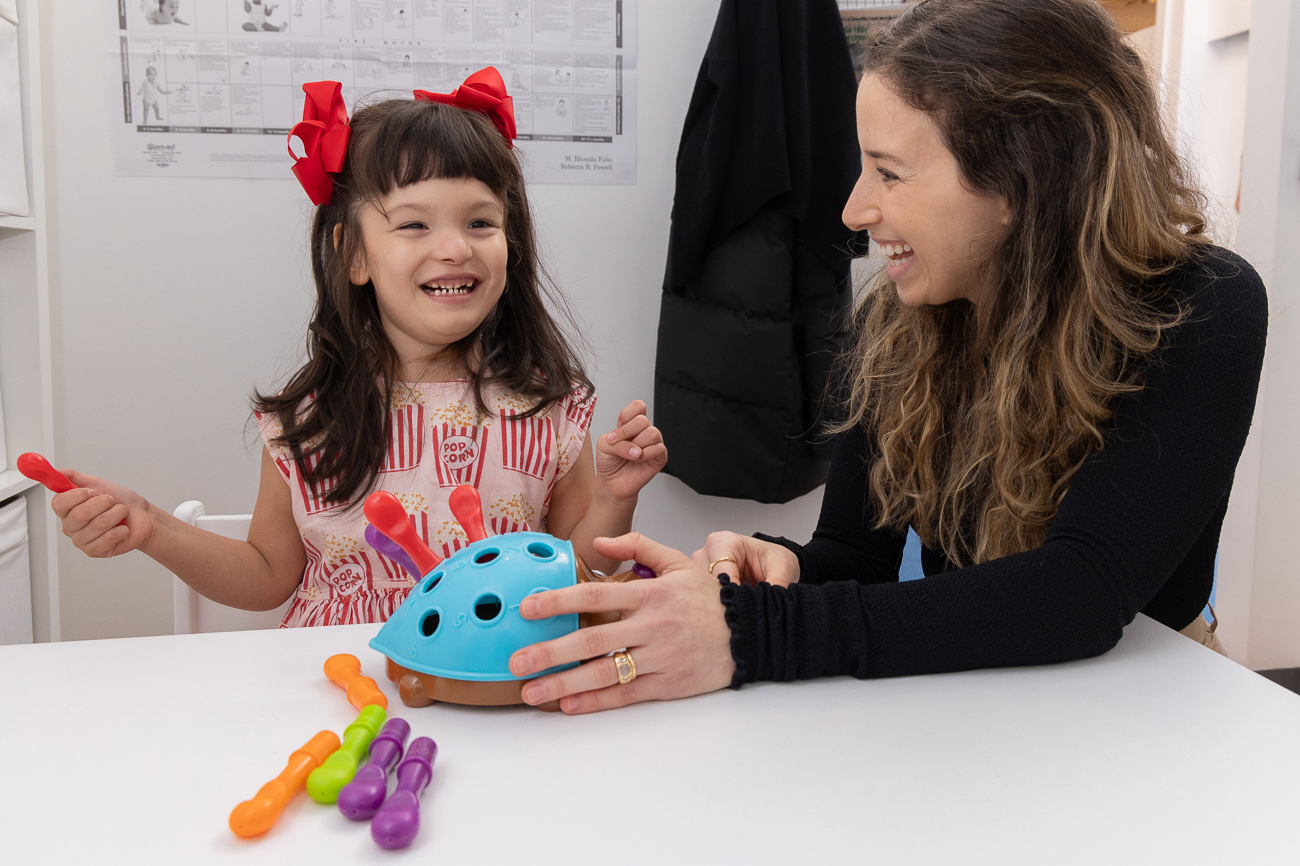
Our licensed therapists offer a variety of services for children and adolescents. In addition to individual speech/language therapy, play-based psychotherapy, tutoring, and occupational therapy, we also offer social skills groups, camps, and special workshops/classes. Read on to learn more:

Speech and language therapy focuses on the evaluation and treatment of children who have difficulty listening, speaking, reading and/or writing. Our speech language pathologists have experience treating disorders that can effect these areas of communication. Our speech language pathologists are also learning specialists and have extensive experience in working with children with learning differences.
In child therapy, the therapist works to create a non-judgmental atmosphere with clear boundaries in which a child can feel safe to express feelings, identities, and struggles. This environment also facilitates children's development of mastery, coping, and problem-solving skills. Amy uses an eclectic model - drawing on methods and techniques from psychodynamic therapy, child-centered therapy, cognitive/behavioral therapy, and family therapy - adapted to meet the needs of children's presenting problems.

The ability to self-regulate is critical for success in school, in relationships, and in life. Using the principles of DBT (Dialectical Behavior Therapy) coupled with Executive Functioning Training and Sensorimotor Therapy, we will focus on the following skills: impulse control, emotional control, flexible thinking, working memory, self-monitoring, planning and prioritizing, task initiation, and organization. Group will utilize structured activities/teaching, games, and movement to teach skills. Participants will go home with concrete skills to practice throughout the week.

  • Sundays, 10am - 12:30pm
  • October 19, 2025 - November 9, 2025
  • 4-week "intensive" session
  • Ages 7 - 10 years 
  • Limited to six children
  • $1,500 (payment plan available)


Apply Now

Dyslexia is a language-based reading disorder due to a weakness in phonological processing or the way our brain recognizes and interprets sound and sound sequences. Poor phonological awareness skills result in difficulties with word recognition, decoding, and spelling. As a speech-language pathologist that is also certified in Wilson Reading System, Jennifer is in a unique position to support both the underlying language weaknesses present in dyslexia as well as provide a systematic, multi-sensory approach to reading remediation. Jennifer is able to provide a customized treatment plan that will support your child’s reading acquisition. To find out more information or schedule an appointment, please fill out the inquiry form on our contact section.

social groups

Our mission for groups is to build community through play! Our social groups are play-based (following the lead and interests of each child), and are geared towards meeting each child exactly where they are. Our goals include: to build social communication, to learn more about ourselves independently and in a group, to boost confidence, to develop problem solving skills, to learn about physical and emotional regulation, and to enjoy peer interactions. We value play, and creating natural opportunities for children to have fun AND make friends.

Apply for Any Group


Lego Group

Drawing on the Lego Serious Play and Lego-based Counseling models, this group will work to build social competence through the use of legos.  We will engage in project-based activities designed to encourage friendship and collaboration, emotion management/regulation, growth mindset, self-esteem, and mindfulness.

  • Fridays from 3:30pm - 4:30pm
  • Ages 6 - 8 years old
  • Maximum of 4 kids per group


Board Games Group

Board games are the perfect tool to introduce and teach social/emotional learning! Using classic games as well as new favorites, we will develop self-awareness, management of emotional responses, self-esteem, team work/collaboration, self-control, conflict resolution, making thoughtful decisions, and empathy.  

  • Fridays from 4:45pm - 6:15pm
  • Ages 9+ years old
  • Maximum of 6 kids per group


Apply for Any Group

about

Speak, Learn, & Play, LLC was founded in 2013 by Jennifer Volpe, CCC-SLP and Amy Weber, LCSW. Started initially to meet the communication, learning, and social/emotional needs of children and families, Speak, Learn, & Play has quickly grown to offer myriad services including speech/language therapy, tutoring, social skills groups, child psychotherapy/play therapy, occupational therapy, and therapeutic camps. Using a collaborative model and state-of-the-art techniques, we strive to treat the whole child. Please read on to learn more about Speak, Learn, & Play's founders:

Amy Weber

Amy

Amy Weber is a Licensed Clinical Social Worker (LCSW) with over 25 years of experience working with children, adolescents, and families, both as a clinician and an administrator. Amy has post-graduate certificates in child and adolescent psychotherapy from the William Alanson White Institute and infant-parent psychotherapy from the Jewish Board for Families and Children's Services. She has extensive training in DIR/Floortime, Dialectical Behavioral Therapy, Executive Functioning, SPACE (Supportive Parenting for Anxious Childhood Emotions), Collaborative Problem Solving, and trauma-focused therapy. She is co-founder of Speak, Learn, and Play. She is the author of a children's book: Gratitude Is Your Super Power. Amy sees children for individual and group therapy. She also offers parent coaching.

Jennifer Volpe

Jennifer

Jennifer Volpe is a New York State licensed speech pathologist with over 15 years of experience and the founder of Manner of Speaking. She holds her Certificate of Clinical Competence (CCCs) from the American Speech and Hearing Association (ASHA) and is certified as a Teacher of Students with Speech and Language Disabilities (TSSLD). Jennifer also holds a Certification as a Structured Literacy Dyslexia Interventionist through the Center of Effective Reading Research and Dyslexia Practitioner through the Wilson Reading System. Jennifer provides speech and language therapy in all areas, focusing on language-based learning disabilities. Jennifer works with children ages birth to adolescence. Trainings include certification in the Wilson Reading System, PROMPT, Visualizing and Verbalizing, and Basic Writing Skills.

Foundations First: The Core Skills That Help Neurodivergent Kids Thrive

by Amy Weber, LCSW

When you’re parenting a neurodivergent child, the world loves to hand you fancy strategies, complicated charts, and 12-step emotional-growth regimens. But the truth is: kids don’t need fancy.  They need foundations — those quiet, sturdy skills and routines that make daily life feel safer, more predictable, and more doable.

Foundational skills give kids something solid to stand on. They don’t magically erase challenges, but they do help kids regulate, problem-solve, and build confidence over time.

Below are four essential foundations — with concrete “use-it-now” strategies — to help your child grow with less overwhelm and more connection.


1. Emotional Safety: “I’m With You, Even When It’s Hard”

Emotional safety is the single biggest predictor of how well a child can regulate. When kids feel understood rather than corrected, they stay more open, flexible, and connected.

How to build it:

✨ The 10-Second Validation Rule
Before teaching, correcting, or redirecting, validate one thing your child is feeling or needing.

  • “You really wanted that to work.”
  • “This is a lot all at once.”
  • “You’re trying so hard.”

Even if their behavior is off track, their feelings still make sense.

✨ 1-2-3 Co-Regulation
When your child begins to escalate:

  1. Soften your body (drop your shoulders, unclench your jaw).
  2. Lower your voice by one notch.
  3. Offer one anchor phrase:
    • “I’m right here.”
    • “Let’s breathe together.”
    • “You’re safe. I can help.”

It’s simple, but it works because kids borrow our nervous systems before they build their own.


2. Predictability: “Show Me What’s Coming”

Neurodivergent kids thrive when they don’t have to guess the rules, routines, or expectations. Clarity reduces anxiety, meltdowns, and power struggles.

How to build it:

✨ Micro Schedules
Instead of a giant visual schedule that overwhelms everyone, try a tiny one for transitions:

  • “First snack → then homework → then free play.”
  • “First shower → then pajamas → then one show.”

Use drawings, sticky notes, or quick doodles — perfection not required.

✨ Previews, Not Surprises
Give your child a brief preview before a transition:

  • “In two minutes, we’re leaving the playground.”
  • “After this show, it’s bedtime routine.”

Bonus trick: ask them to repeat the plan back to build understanding and reduce pushback.


3. Connection: “We’re a Team”

Connection doesn’t mean endless quality time. It means predictable doses of presence that remind your child they aren’t alone in navigating the world.

How to build it:

✨ Micro-Moments of Yes
Kids often hear “No, not now” all day long. Add intentional yeses:

  • “Yes, we can snuggle for one minute.”
  • “Yes, you can pick the music.”
  • “Yes, show me your drawing.”

✨ 5-Minute Buddy Time
A daily 5-minute ritual, child-led.
You don’t teach, correct, or multitask.
You simply join them.
This alone can reduce power struggles by 30–40%.


4. Flexibility Practice: “Small Shifts, Low Stakes”

You cannot teach flexibility during a meltdown. You teach it during calm, playful, low-pressure moments.

How to build it:

✨ The Safe Surprise Game
Once a day, introduce one tiny, predictable “surprise”:

  • Slightly different cup
  • New snack option
  • Walking a different route to the car
  • Changing the order of two bedtime steps (with warning)

Keep it fun, low stakes, and predictable — “We’re practicing flexible brains!”

✨ Choice Sandwiches
When kids are rigid, offer choices in a structured way:

  • “Do you want to start with socks or shirt?
    Then we’ll put on the other one next.”
  • “Do you want two more minutes or a countdown from 20?”

Choice gives kids control without giving up structure.


5. Skill Scaffolding: “Let Me Help Until You Can Help Yourself”

Neurodivergent kids often need support that is more explicit, broken down, and visual.

How to build it:

✨ Task Slicing
Break tasks into the smallest steps you can imagine — then break them again.
Instead of “Get dressed,” try:

  1. Find your shirt.
  2. Put your head in.
  3. One arm.
  4. The other arm.
  5. Pull down.

✨ Body-Double Support
Many kids focus better when someone sits nearby doing a parallel task.

  • You pay bills, they do homework.
  • You fold laundry, they build LEGO.

The message is: “You don’t have to do hard things alone.”


6. Repair: “We Find Our Way Back”

All relationships — especially parent/child ones — have mismatches, misunderstandings, and meltdowns. Repair teaches kids that connection can bend without breaking.

How to build it:

✨ Simple Repair Script

  • “That was hard for both of us.”
  • “I’m sorry I raised my voice.”
  • “We’re okay. Let’s reboot.”

✨ The Re-Do Moment
Invite a low-pressure reset:

  • “Want to try that goodbye again?”
  • “Let’s redo that transition with a do-over.”

Kids learn resilience by practicing it with you.


The Takeaway: Foundations First. Always.

You don’t need to reinvent your parenting or become a behavior specialist overnight. Start with foundations: safety, predictability, connection, flexibility, scaffolding, and repair.

These are the roots that help neurodivergent kids grow stronger, calmer, more confident, and more themselves.  

Grab all of this in an easy to read, 1 page free printable: Foundations First.

careers

Come join our team!

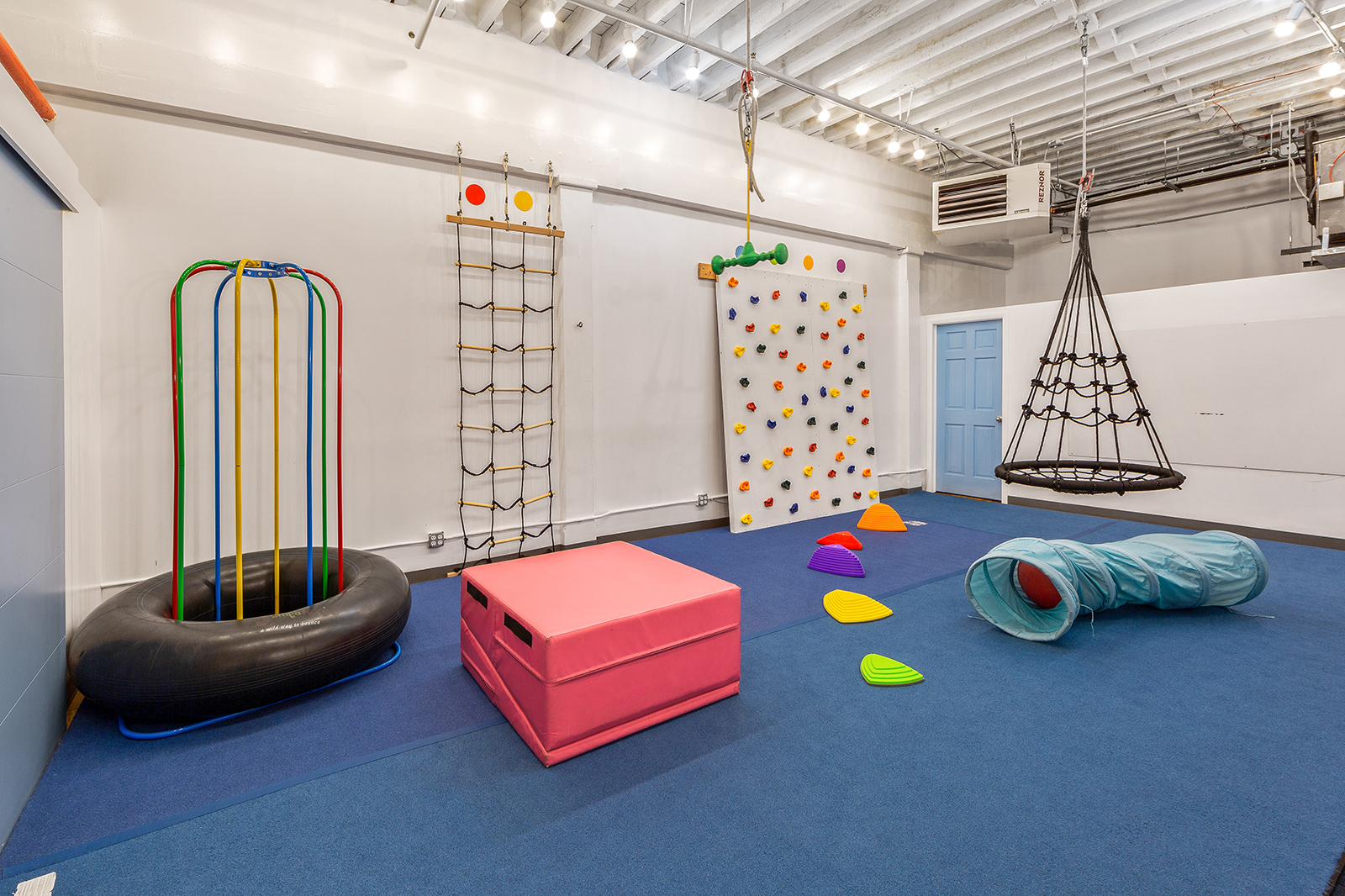
We are always looking to work with like-minded professionals. If you are looking to start your own part-time or full-time pediatric private practice, then Speak, Learn and Play is the place for you! Speak, Learn and Play is a collaborative therapy practice where therapists run their own private practices but have the benefit of working alongside other professionals to facilitate a team approach. We have a fully equipped sensory gym ideal for both occupational and physical therapies. Separate treatment rooms are also available for rental. There are ample opportunities for cross-referrals and networking. We offer half-day and full-day rentals, seven days a week. For more information, please email us at speaklearnandplaybrooklyn@gmail.com.

The therapists at Speak Learn and Play are committed to helping prospective and newer members to our various fields of practice. Current and prospective high school, undergraduate and graduate students are welcome to shadow our therapists. We also offer volunteer opportunities at our Summer Camp for those looking to get practical experience in pediatric speech, occupational and play therapy. Please email speaklearnandplaybrooklyn@gmail.com to apply.

contact

540 President St., Ste. 2D, Brooklyn, NY

Speak, Learn, & Play
540 President Street, Ste. 2D
Brooklyn, NY 11215

Tel: (347) 457-5900
Fax: (347) 457-5653

info@speaklearnandplay.com

Please contact me